Leeds Song Festival 2026
Saturday 12 - Saturday 18 April 2026
Music gives a soul to the universe.
In April 2026, Leeds Song returned with renewed confidence, ambition and joy, filling the city with extraordinary voices, bold ideas and unforgettable shared experiences. Across eight days, from Saturday 11 to Saturday 18 April, Leeds became a living, breathing songscape — welcoming audiences into concert halls, museums, bars, community spaces and conservatoires for a celebration of song in all its richness and variety.
Buoyed by the record‑breaking success of the previous year, Leeds Song Festival 2026 brought together world‑class performers, rising stars, composers, poets and communities, reaffirming the Festival’s place as one of the UK’s most vital celebrations of the art song.
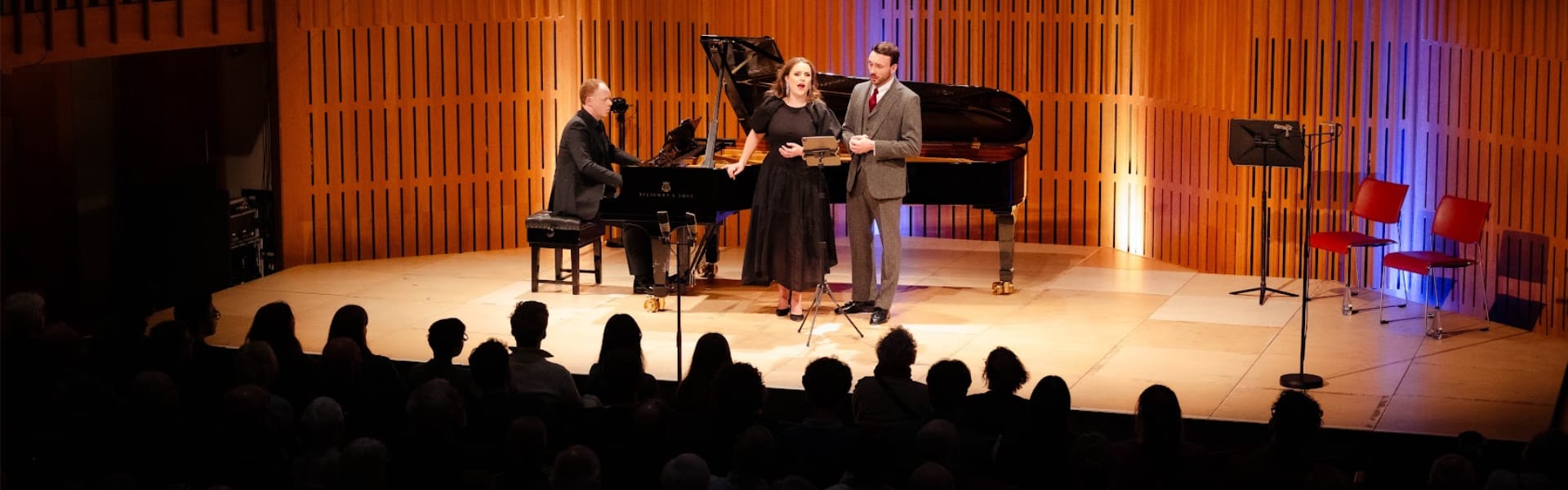
Photo: Apple and Biscuit Ltd
World‑Class Voices, Inspired Programming
The 2026 Festival featured an exceptional international roster alongside some of the finest British singers of our time. The opening weekend received five‑star reviews across the board, setting the tone for the week ahead. The Festival opened with a lunchtime recital from Austrian mezzo‑soprano Patricia Nolz, followed by a joyful and widely acclaimed evening recital from Louise Alder and Huw Montague Rendall, both partnered by Festival Director Joseph Middleton.
On Sunday afternoon, soprano Nardus Williams, joined by her long‑standing duo partner Elizabeth Kenny, presented an intimate and atmospheric Dowland anniversary recital at the Royal Armouries Museum, before French mezzo‑soprano Marianne Crebassa closed the opening weekend in style.
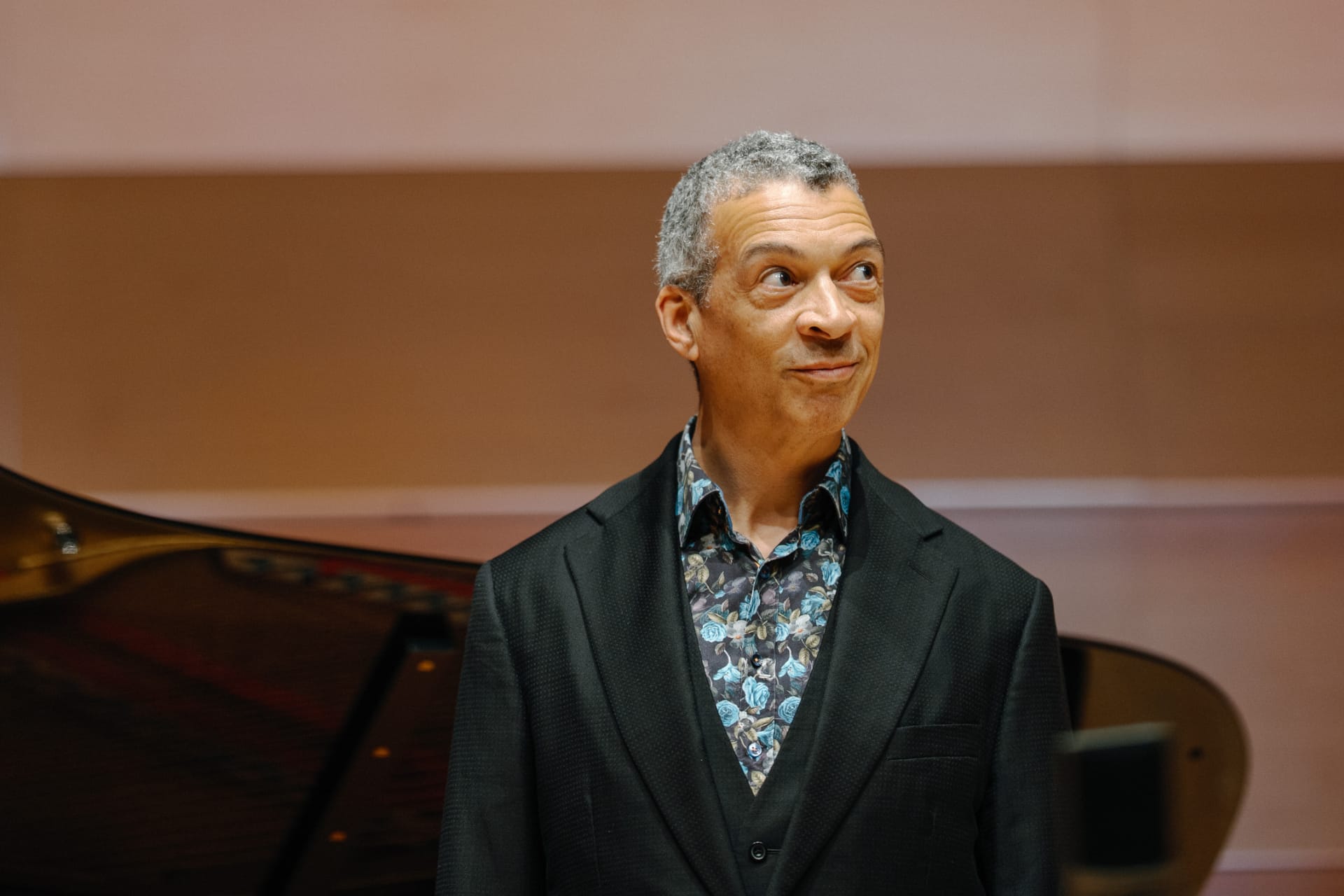
Across the week, further standout recitals were given by Roderick Williams OBE with Iain Burnside, Katharina Konradi with Joseph Middleton, and mezzo‑soprano Helen Charlston with pianist Sholto Kynoch. A striking and theatrical programme, Seven Deadly Sins Cabaret, was performed by Axelle Fanyo and Fleur Barron, joined by pianist Julius Drake, bringing cabaret, musical theatre and art song into thrilling dialogue.
The Festival closed with soprano Ailish Tynan, who stepped in at short notice for the indisposed Dame Sarah Connolly and delivered a magnificent final recital. The planned programme, Kathleen’s Songbook — dedicated to long‑serving Chair Kathleen Evans BEM — will now take place in June 2026.
Throughout the Festival, audiences heard cornerstones of the repertoire by Schubert, Schumann, Brahms, Ravel and Debussy, set alongside cabaret, musical theatre and contemporary song, reflecting the breadth and vitality of the Festival’s artistic vision.
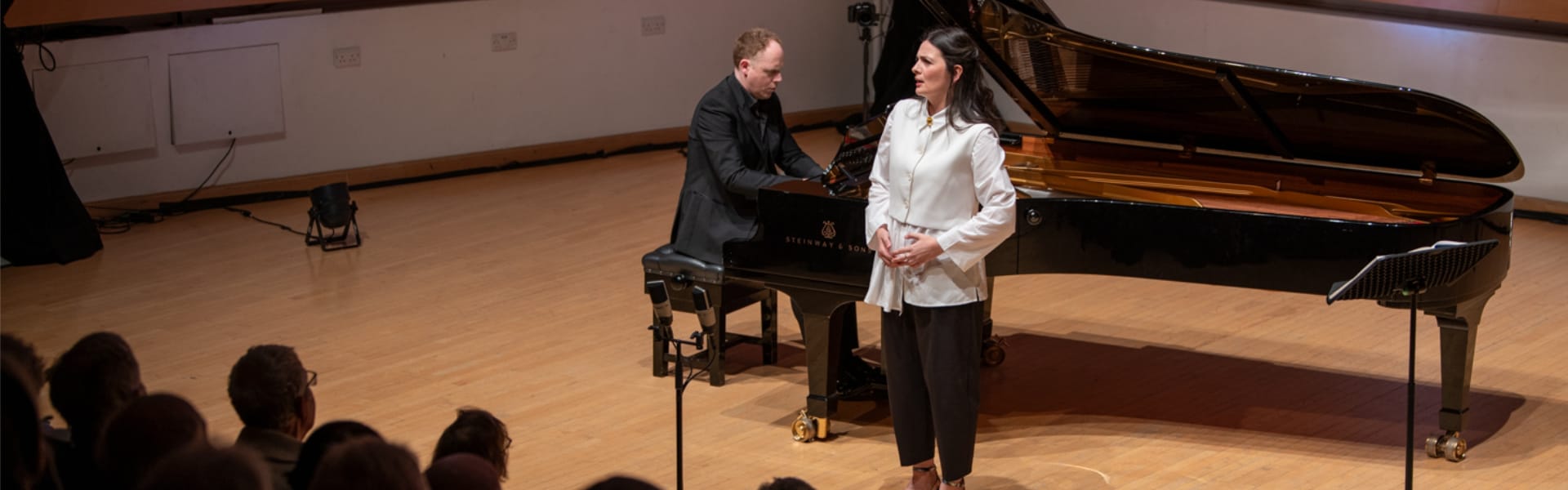
Photo: Apple and Biscuit Ltd
New Music and Bold Ideas
Leeds Song 2026 continued its commitment to expanding the living tradition of song. A major highlight was the Festival commission Dunwich, an intermedia première by Martin Iddon — described as a “song cycle without a singer” — blending spoken word, piano, video and fixed media in a haunting meditation on memory, loss and history. The work, realised by Rei Nakamura, Gillian Jane Lees and Adam York Gregory, received significant national press acclaim with reviews in The Times and The Guardian.
Another Festival highlight was Haiku, in which Roderick Williams and Iain Burnside wove newly premiered settings by Libby Larsen around works old and new, creating a delicate network of poetic and musical associations that rewarded listeners’ imagination and curiosity.
Baritone Theodore Platt and pianist Keval Shah presented a powerful and searching recital described by audiences as a “meditation on human suffering”, focusing on the experiences of innocent children affected by war and conflict.
Working alongside other leading European song festivals, Leeds Song also presented a late‑night recital by Art Song Challenge winner Gerda Iguchi. The German‑Japanese soprano explored a bold re‑imagining of Wagner’s Wesendonck Lieder in Wesendonck Synthetic, juxtaposing Wagner’s songs with modern synthesised pop soundworlds.
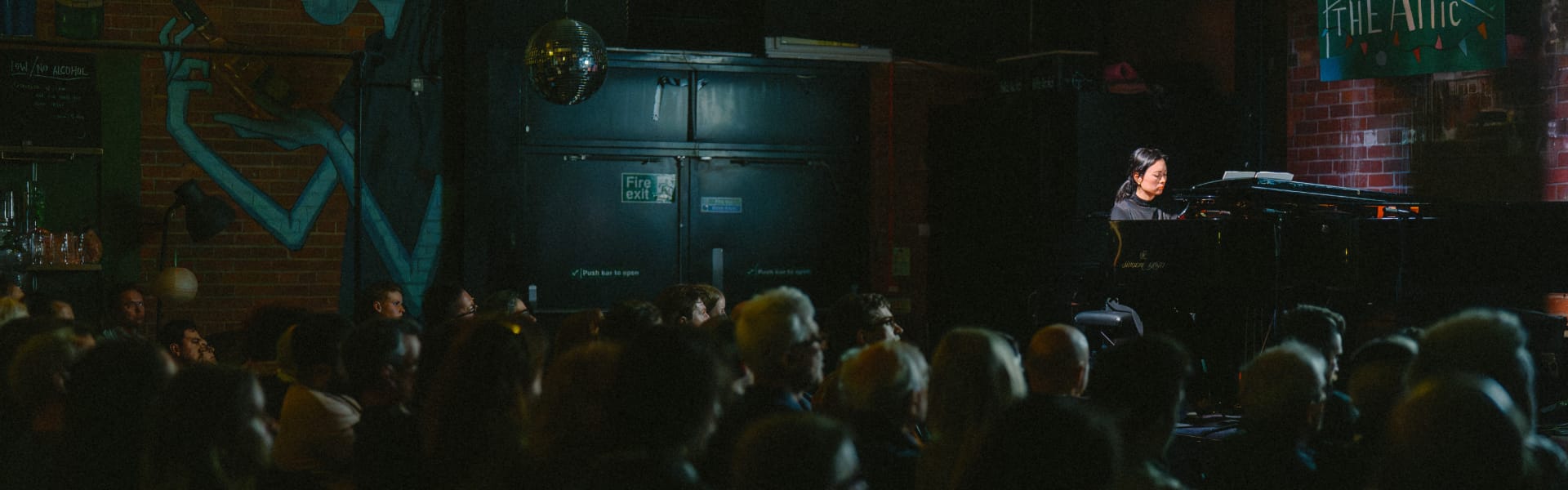
Photo: Tom Arber
Song Beyond the Concert Hall
As ever, Leeds Song embraced the city itself as a performance space. Audiences encountered song in extraordinary settings: a lute‑accompanied Dowland anniversary recital at the Royal Armouries Museum; late‑night premieres at The Attic; informal performances in the Howard Assembly Room bar; and exhibitions and showcases at Leeds City Museum.
These were complemented by pre‑Festival pop‑up recitals throughout March, taking song into the heart of the community via coffee shops, bars, markets, shopping centres and other informal spaces across Barnsley, Huddersfield, Halifax and the wider Leeds City Region.
Together, these events dissolved traditional boundaries between stage and audience, formal and informal, performer and listener — placing song firmly at the heart of everyday city life.
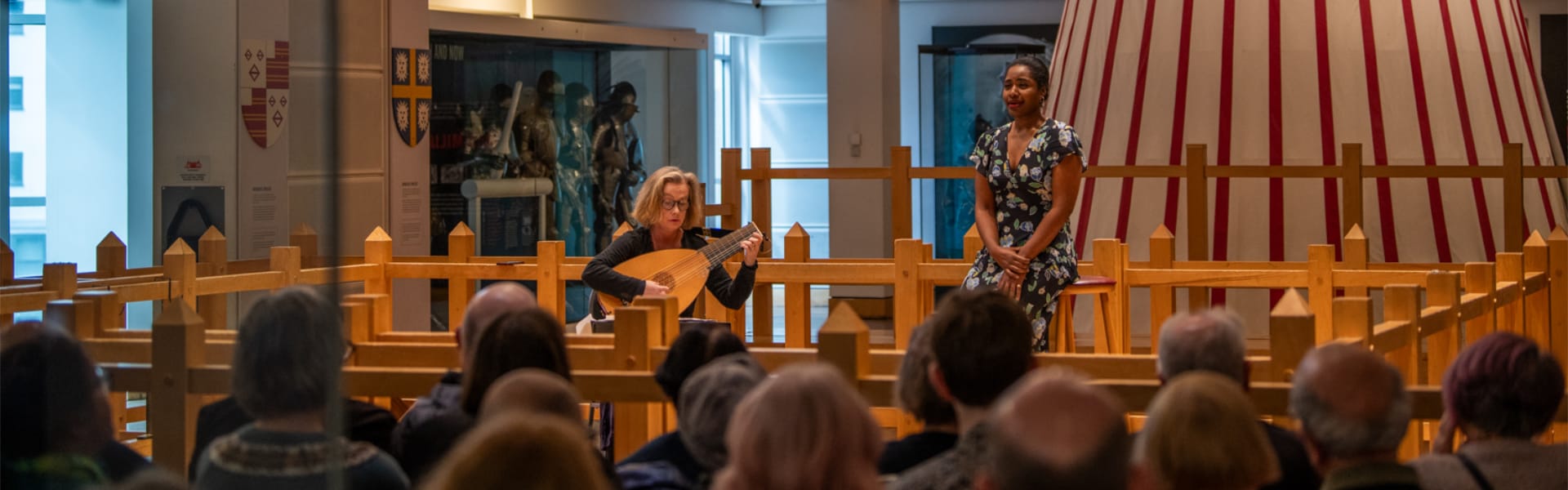
Photo: Ellis Robinson
Young Artists at the Heart of the Festival
The Leeds Song Young Artist Programme remained central to the Festival’s identity. Throughout the week, emerging singers and pianists from around the world worked intensively with an extraordinary faculty including Bernarda Fink, Joan Rodgers, Mark Padmore, Roger Vignoles and Anna Tilbrook, alongside acting and movement workshops led by Scott Brooksbank.
Masterclasses, study events, the Young Artists Showcase, the Lieder Lounge and a thrilling Finale Concert gave audiences rare insight into the next generation of song partnerships. Many of today’s Festival headliners once stood exactly where these artists stand now — a reminder that Leeds Song remains both a guardian of tradition and a launchpad for the future.
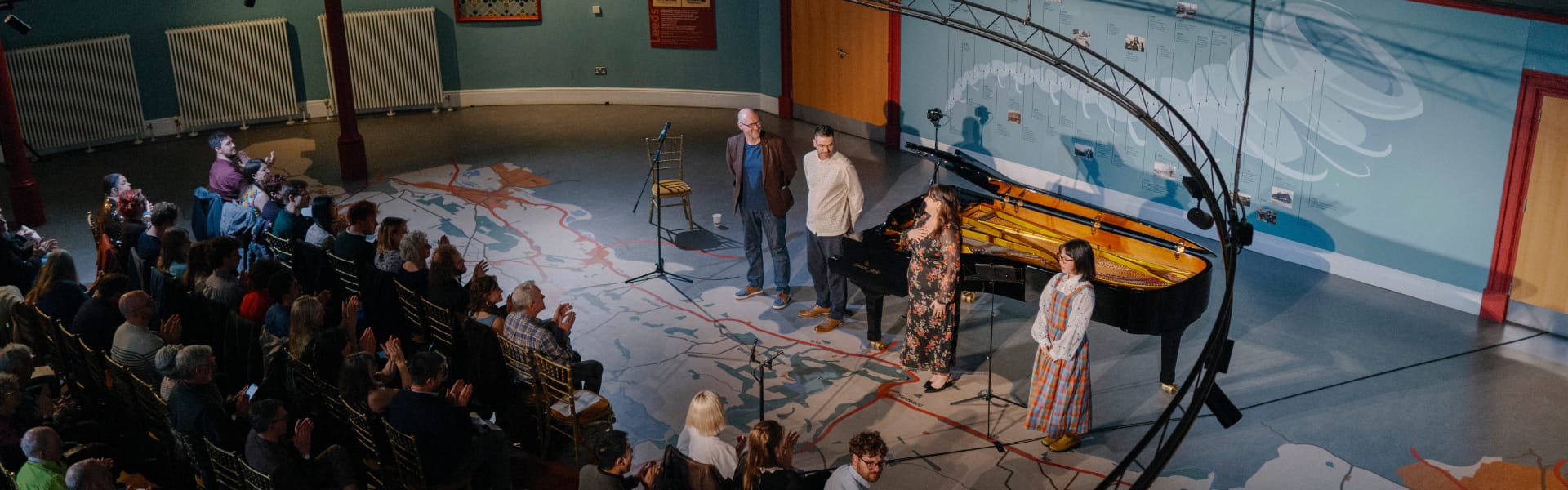
Photo: Tom Arber
Song for Everyone
Community participation remained a defining feature of Leeds Song 2026. Gareth Malone returned to lead a joyous Bring and Sing! project, culminating in a rousing performance of Haydn’s Nelson Mass and welcoming singers from across the region to raise their voices together.
Accessibility continued to shape Festival planning, with welcoming formats, affordable pricing and free events ensuring that song could be discovered and enjoyed by audiences of all ages and backgrounds.
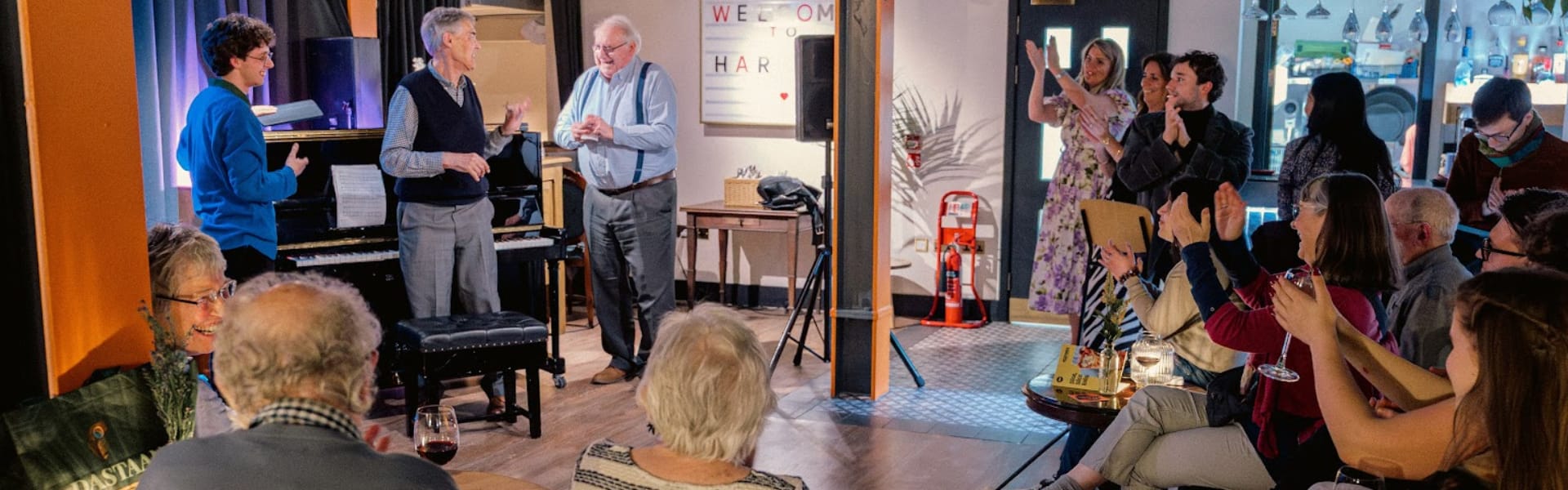
Photo: Apple and Biscuit Ltd
Learning, Legacy and the Future
The Festival also showcased the culmination of Leeds Song’s year‑round education work. The Leeds Songbook project once again brought together local poets, composers and young performers to create new works rooted in the city’s stories and voices. New for 2026, the project expanded further through collaboration with local visual artists, who created ten visual responses to the ten newly composed songs.
These projects reaffirmed Leeds Song’s belief that the Festival is not just an annual event, but the visible peak of an ongoing commitment to learning, creativity and community.
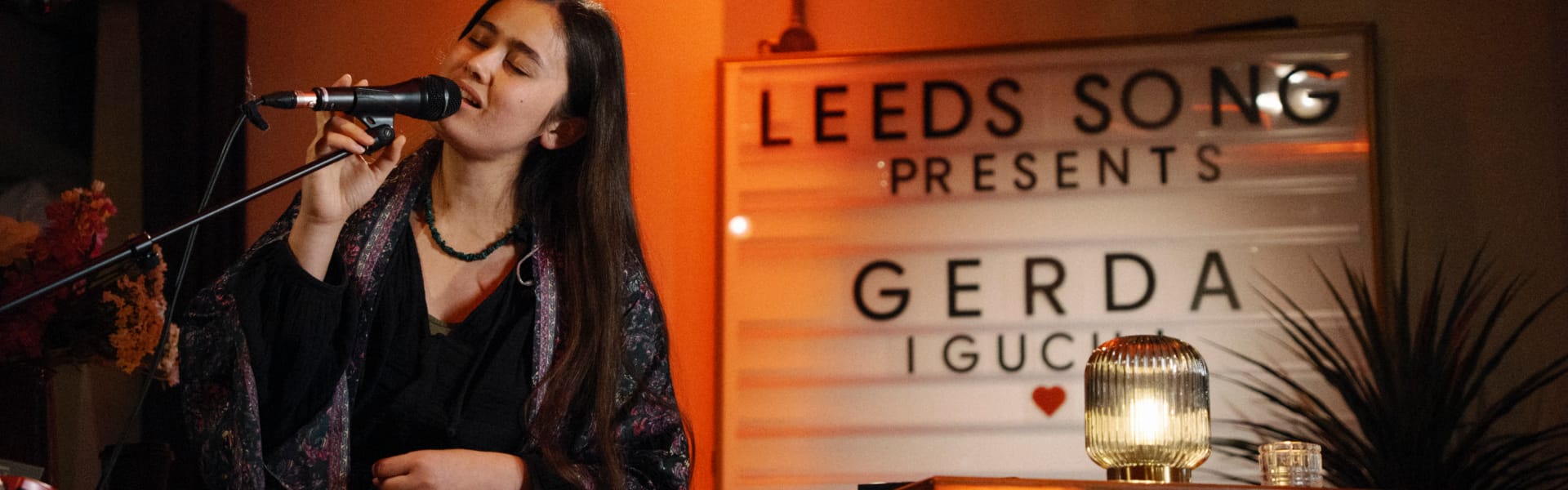
Photo: Tom Arber